Designing for Everyday Use, Not Just Visual Impact
be the first to know our opening date, the first to access founding member pricing.
Building in Context: Urban, Cultural, Climatic
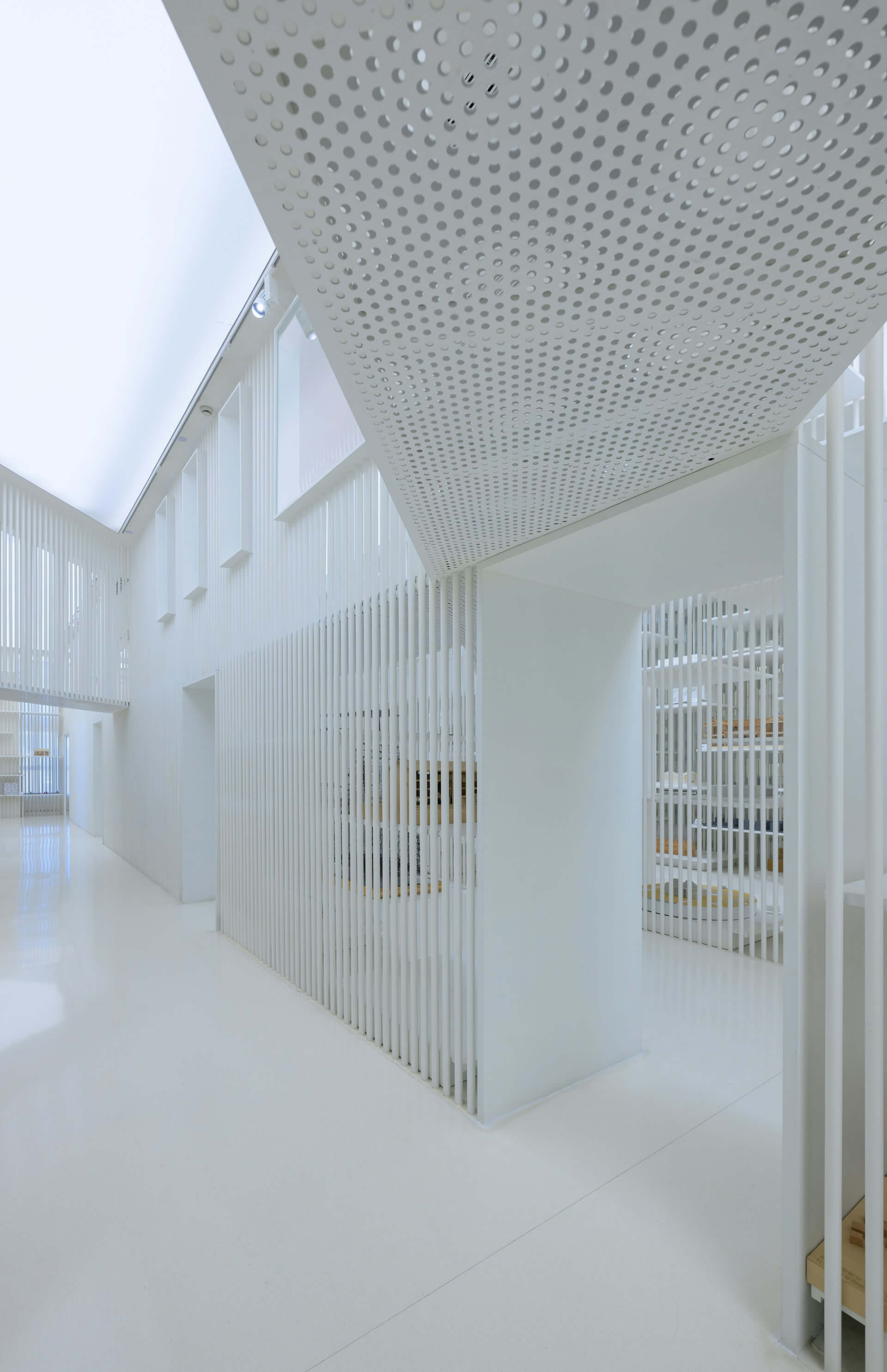
Every site speaks — through its light, orientation, scale, and history. As architects, we’re responsible for listening. That’s why our design process begins not in the studio, but on location — studying local materials, spatial patterns, and cultural rhythms.
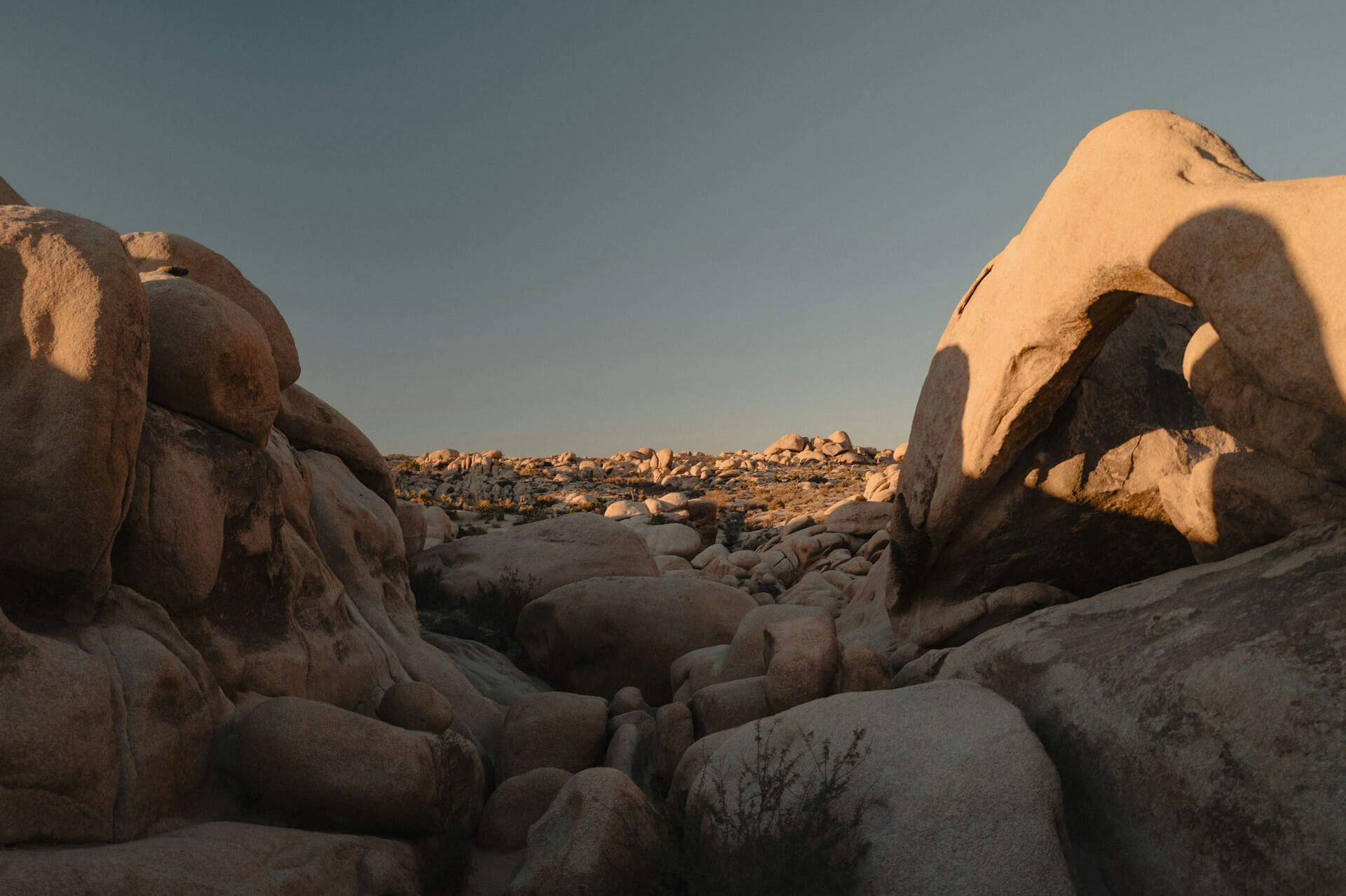
Take our Vista Blanca Hotel in Cádiz: rather than compete with the coastal landscape, we chose to extend it. The building sits low and horizontal, echoing the dune lines. Local stone, native vegetation, and shaded courtyards do more than honor place — they shape thermal comfort, reduce footprint, and foster connection with the surroundings.
In this sense, “contextual design” goes beyond aesthetics — it’s about ecology, economy, and respect.
Collaboration as a Core Design Tool
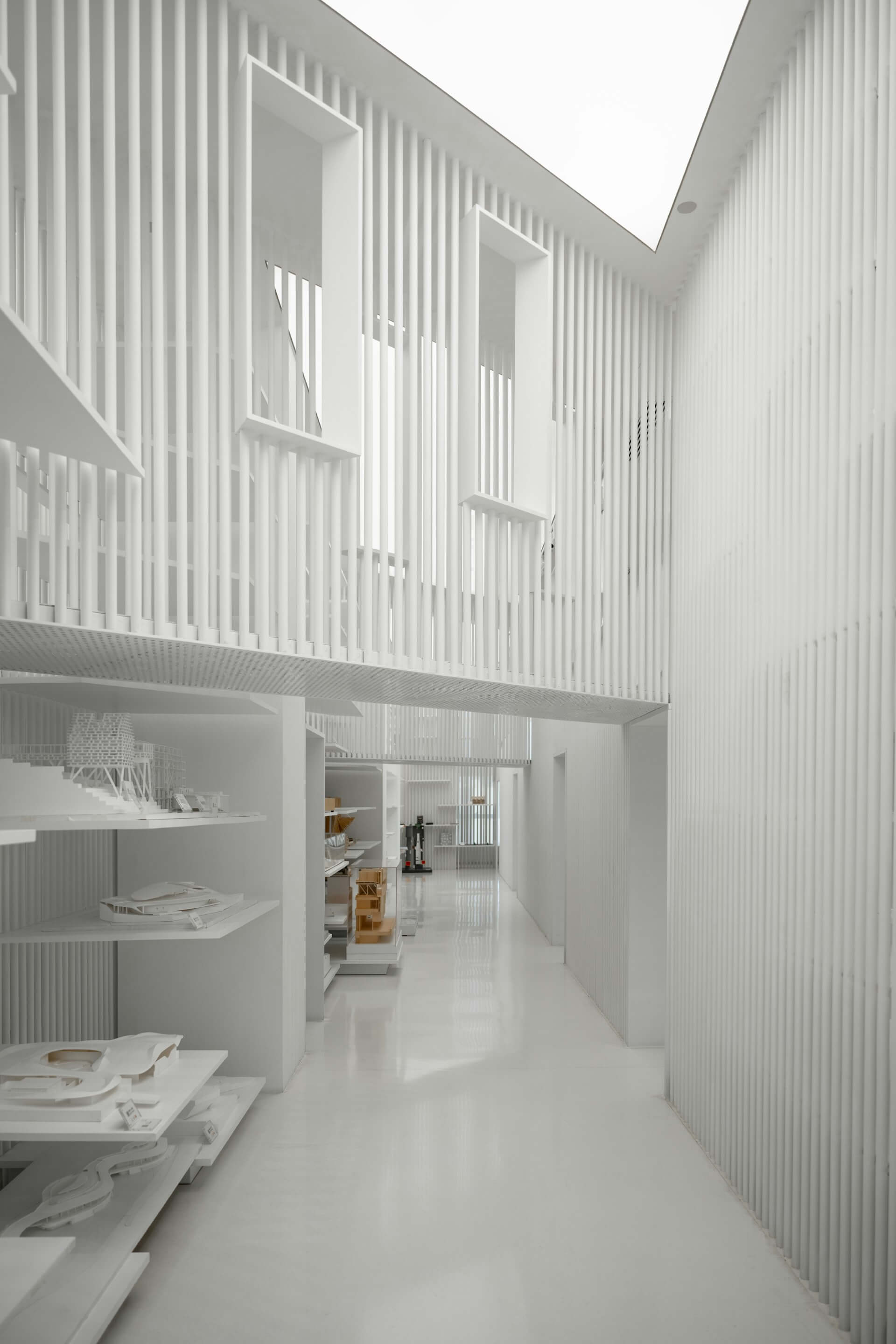
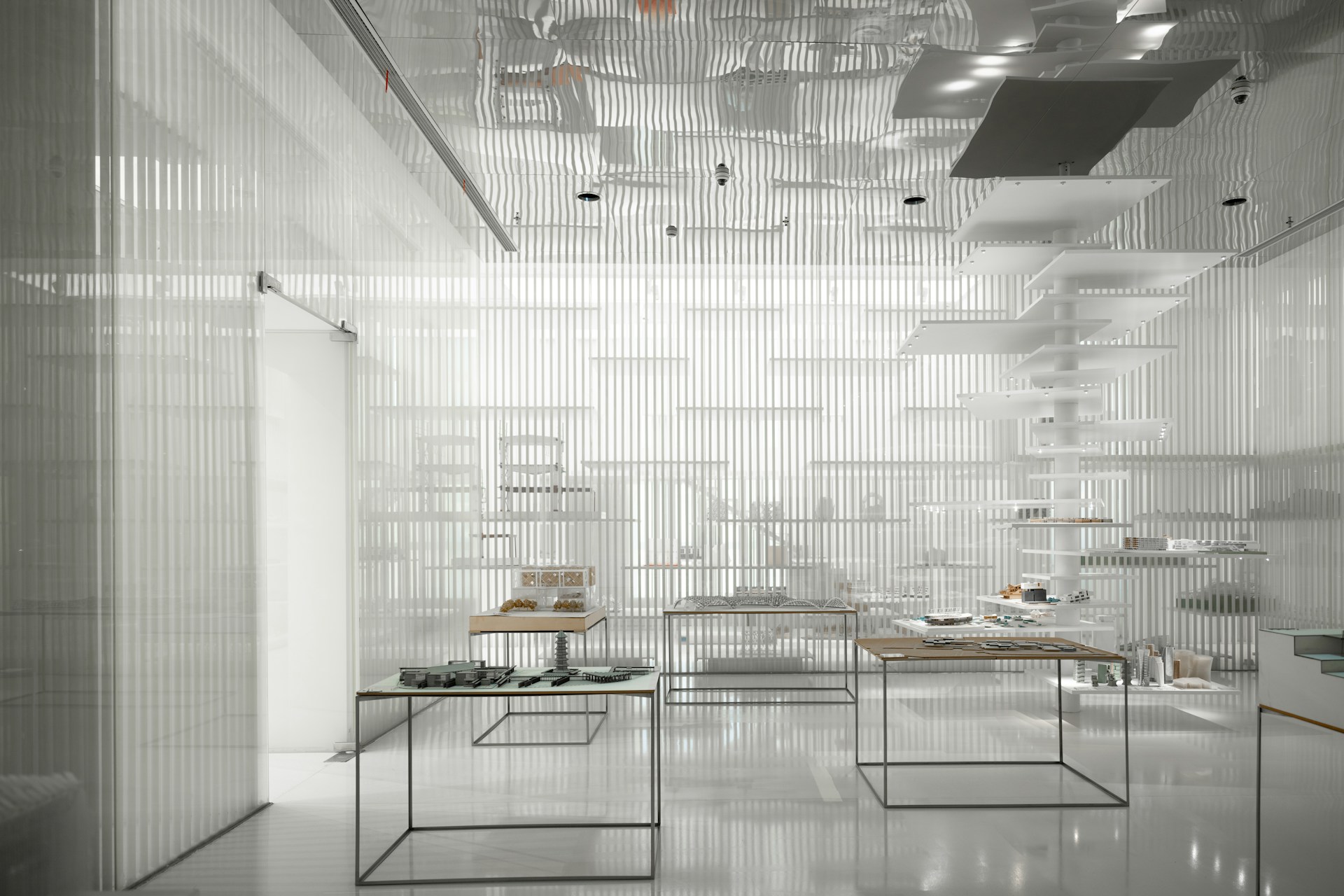
No building is the work of one hand. From engineers and artisans to photographers and lighting designers, architecture is a shared craft. At Monocromo, we treat every collaborator as a co-author, not just a service provider.
For instance, our ongoing collaboration with Studio Verde (landscape) and Luminor (lighting) has transformed the way we design thresholds and transitions — especially in public and hospitality spaces. Similarly, working closely with sustainability consultants has helped us embed passive strategies from day one, rather than applying them as afterthoughts.
This collaborative spirit also extends to our clients. We approach each project as a dialogue, not a delivery — listening closely, refining iteratively, and building trust over time.
Architecture as Cultural Contribution
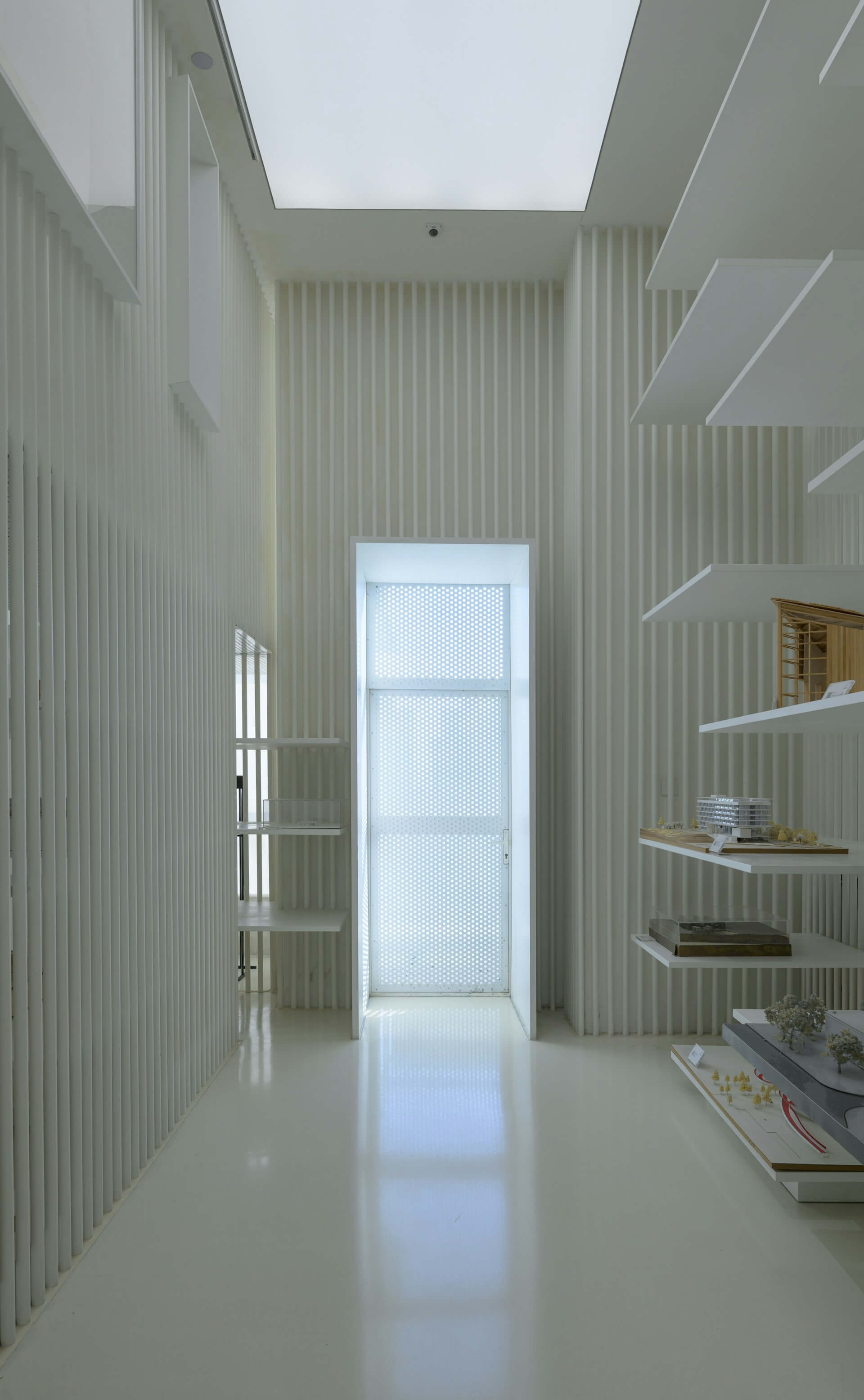
Architecture is more than shelter — it’s a civic act. A well-designed library or housing block can generate public pride, social dignity, or quiet belonging. Our hope is that each project, however small, contributes to this larger cultural landscape.
Some of our recent work — such as the Arco Cultural Hall in Bologna or the Forma Pavilion in Milan — are public in nature but intimate in experience. They don’t aim to impress; they invite participation. These spaces were designed for conversation, gathering, and reflection — not spectacle.
As we move forward, our focus remains on creating architecture that serves not just the client, but the broader fabric of society. We believe the most meaningful work doesn’t shout — it listens, adapts, and stays.